

At the moment, there are no entries available for display








cultivating a future forward workforce
occupational health and safety
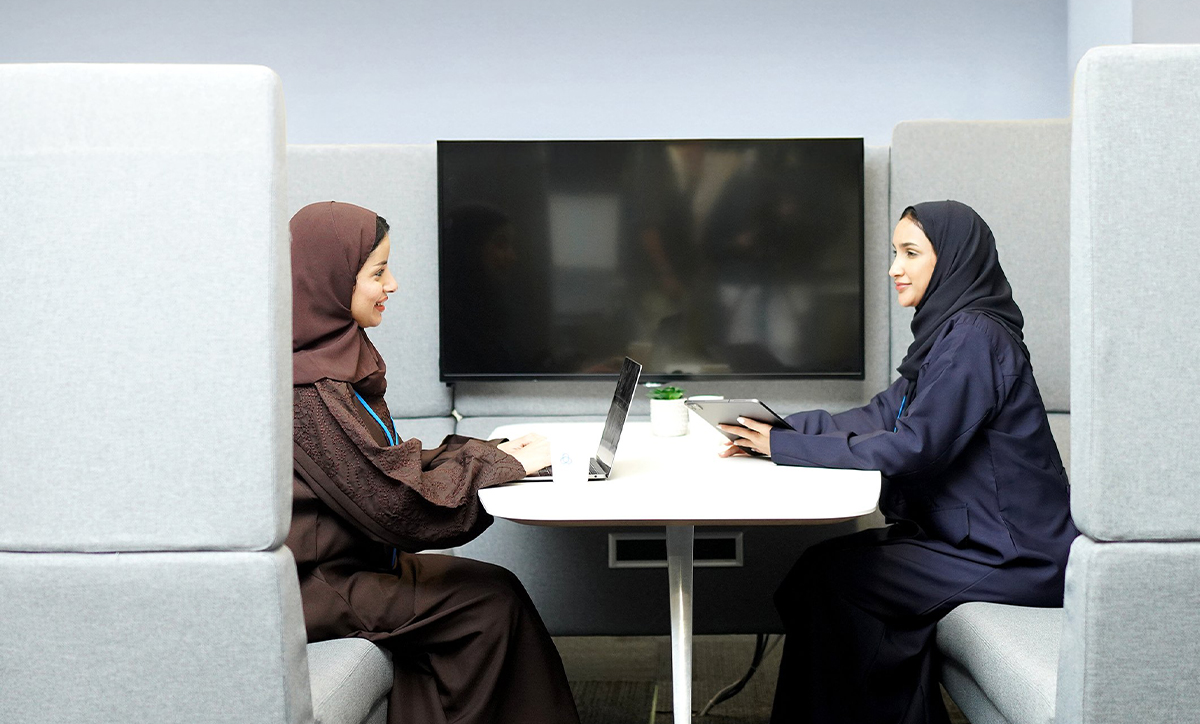
alrajhi bank is committed to safeguarding its people, assets and operations through a comprehensive Health, Safety, and Security Policy that aligns with both SAMA guidelines and national regulations. Oversight is provided by the dedicated Health, Safety and Security Department, which ensures consistent implementation across the bank through mandatory safety training, clear protocols, and close coordination with business units.
The Health, Safety and Security Department plays an active role in maintaining safe working environments by overseeing site safety measures, developing and testing emergency response plans, and conducting regular and ad hoc risk assessments to identify and mitigate potential hazards. Inspections, both scheduled and unannounced, are carried out across daily operations to major maintenance projects and special initiatives, to ensure compliance and continuous improvement.
A structured Occupational Health and Safety Management System (OHSMS) applies to all employees and contractors, supporting consistent risk management and alignment with both legal and internationally recognised safety requirements. The Central Monitoring Station (CMS) monitors security and safety systems, working closely with the Health, Safety and Security Department to ensure system readiness and rapid incident response. Collectively, these measures support a high level of safety, resilience, and operational preparedness across the bank.
Key highlights for 2025
100%
Contractors audited externally
alrajhi bank provides employees and contractors with access to quality healthcare through the bank’s approved providers, ensuring availability of medical consultations, treatment, and emergency care. Contractors also receive healthcare support, either from the bank or through their respective employers. The bank remains committed to maintaining high occupational health and safety (OHS) standards through regular training on safety procedures, equipment, and evolving requirements for both employees and contractors.
Oversight of OHS implementation is supported by appointed Worker Safety Representatives, who monitor the effectiveness of OHSMS, and report back on its performance. alrajhi bank values feedback, so periodic surveys are carried out to hear directly from workers, and updates about OHS initiatives are shared through newsletters and emails. Employees are also encouraged to explore a series of health, safety, and security modules on the ARB Academy’s online platform, allowing them to learn about the bank’s OHS efforts at their own pace. This comprehensive approach helps create a safer, healthier and well-informed workplace for everyone.
GRI
403-8
| Workers covered by an occupational health and safety management system | Year | ||||
| S. No. | Parameters | Unit | 2025 | 2024 | 2023 |
| 1 | Employees covered by a OH&S management system | Nos. | 9,512 | 9,056 | 8,685 |
| 2 | Workers who are not employees covered by an OH&S management system | Nos. | 2,075 | 1,789 | 1,226 |
| 3 | Percentage of employees who have been covered by an OH&S management system | % | 100% | 100 | 100 |
| 4 | Percentage of workers who have been covered by an OH&S management system | % | 100% | 100 | 100 |
| 5 | Employees covered by a OH&S management system that has been internally audited | Nos. | 9,512 | 9,056 | 8,685 |
| 6 | Workers who are not employees covered by an OH&S management system that has been internally audited | Nos. | 2,075 | 1,789 | 1,226 |
| 7 | Percentage of employees who have been covered by an OH&S management system that has been internally audited | % | 100% | 100 | 100 |
| 8 | Percentage of workers who have been covered by an OH&S management system that has been internally audited | % | 100% | 100 | 100 |
Regular OHS risk assessments take place throughout the year, using both routine procedures and special checks as needed.
Routine processes:
- Scheduled inspections are carried out regularly to spot hazards in the workplace and confirm that preventive measures are in place.
Non-routine processes:
- Incident investigations are performed whenever something unexpected occurs, helping to uncover risks that were previously unrecognised and to strengthen preventive actions.
- Special risk assessments are conducted for major maintenance work or special projects, making sure non-routine activities are just as safe as daily operations.
- Eliminate hazards from the workplace entirely whenever possible.
- If elimination isn’t feasible, hazardous materials or processes are substituted with safer alternatives.
- System or process changes are put in place to reduce exposure to risks.
- As the last line of defence, employees are provided with Personal Protective Equipment (PPE).
- Feedback from incident reviews, audits, and risk assessments is used to refine safety policies and procedures.
- Health and safety KPIs are tracked to measure how well the system is performing, identify trends, and guide ongoing improvements.