

At the moment, there are no entries available for display








sustainable financing at alrajhi bank
alrajhi bank’s sustainable finance portfolio
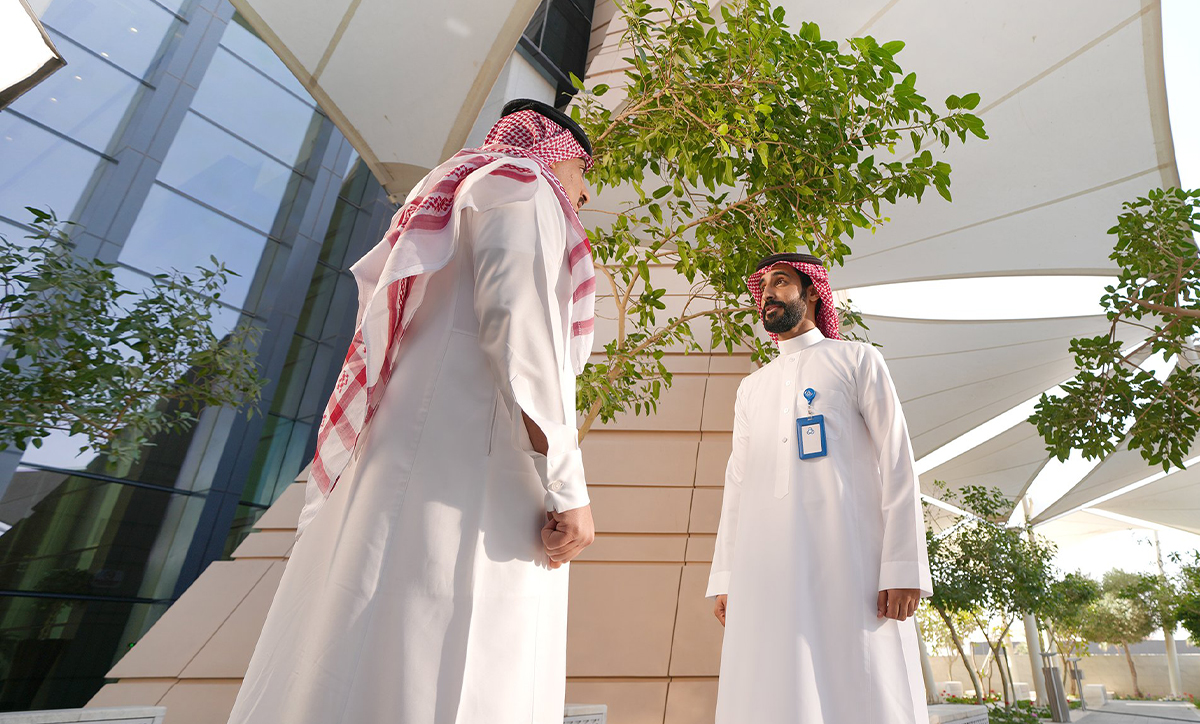
As of 31 December 2025, alrajhi bank’s current allocation of proceeds emphasises the social dimension, with 94.49% directed toward affordable housing projects. The remaining 5.5% is allocated to environmental initiatives, including renewable energy, energy efficiency, sustainable water management, and clean transportation.
|
Allocated eligible social asset portfolio by category |
Eligible amount (USD Mn.) |
% of Allocated eligible portfolio |
| Affordable Housing | 8,408 | 94.57 |
| Total | 8,408 | 94.57 |
|
Allocated eligible environmental asset portfolio by category |
Eligible amount (USD Mn.) |
% of Allocated eligible portfolio |
| Renewable Energy | 234 | 2.6 |
| Energy Efficiency | 23.6 | 0.3 |
| Sustainable Water and Wastewater Management | 110.2 | 1.2 |
| Clean Transportation | 114.6 | 1.3 |
| Total | 482.4 | 5.4 |
| A glimpse of our sustainable financing projects | ||||||
|
4
Solar PVprojects 195,940 CO2e Attributed avoidable emissions |
1
Battery EV storageproject 4,844 CO2e Attributed avoidable emissions |
2
District coolingprojects 344 CO2e Attributed avoidable emissions |
1
Biodiesel poweredplant 196 CO2e Attributed avoidable emissions |
2
Sewage treatmentplants 14,334,439m3 Attributed wastewater treated |
2
Desalination plantprojects 15,813 CO2e Attributed avoidable emissions |
1
Affordable HousingProjects 105,100 Beneficiaries |
Evaluating environmental and social impact
As a part of its reporting commitments under the Sustainable Finance Framework, alrajhi bank conducts an annual environmental and social impact assessment where it reports the expected or actual impact of the Eligible Sustainable Projects it finances or co-finances with reference to the ICMA Harmonised Framework for Impact Reporting (2023). The reporting includes social and environmental impacts, such as number of housing units constructed, emissions reduced or avoided. The reporting is based on the net benefit resulting from the asset in a given period of operation, rather than the gross emissions change before or after the life of the asset or project.
Key highlights for 2025
105,902 CO2e
Operational attributable avoided emissions
13
Assessed projects
111,235 CO2e
Under construction estimated avoided emissions
42,040
Housing units constructed
Case Study
Advancing sustainable financing through a Tier 2 Social Sukuk Issuance
alrajhi bank successfully issued a USD 1 Bn.
Tier 2 Social Sukuk during Q3 2025, marking
its first Tier 2 issuance in international debt
markets, a significant milestone in the bank’s
sustainable finance journey. Issued under
the bank’s Sustainable Finance Framework,
the shariah-compliant sukuk was structured
to support capital adequacy, while
advancing social objectives aligned with
Saudi Vision 2030.
The 10.5-year sukuk, callable after 5.5 years, attracted strong demand from a diverse base of global institutional
The 10.5-year sukuk, callable after 5.5 years, attracted strong demand from a diverse base of global institutional
investors, reflecting confidence in the bank’s
credit profile. Listed on the London Stock
Exchange’s International Securities Market,
the transaction enhanced the bank’s
access to international capital markets
while reinforcing its commitment to socially
responsible financing.
Through this issuance, alrajhi bank reinforced its capital base while advancing its sustainable financing agenda, demonstrating how shariah-compliant capital instruments can support both financial resilience and positive social outcomes.
Through this issuance, alrajhi bank reinforced its capital base while advancing its sustainable financing agenda, demonstrating how shariah-compliant capital instruments can support both financial resilience and positive social outcomes.
| ESG pillars | UN Sustainable Development Goals | The bank’s contributions |
Environment

|
|
|
Social
|
|
|
An in-depth report of the 2025 Impact Assessment may be found here.