

At the moment, there are no entries available for display








sustainable financing at alrajhi bank
alrajhi bank’s sustainable finance framework
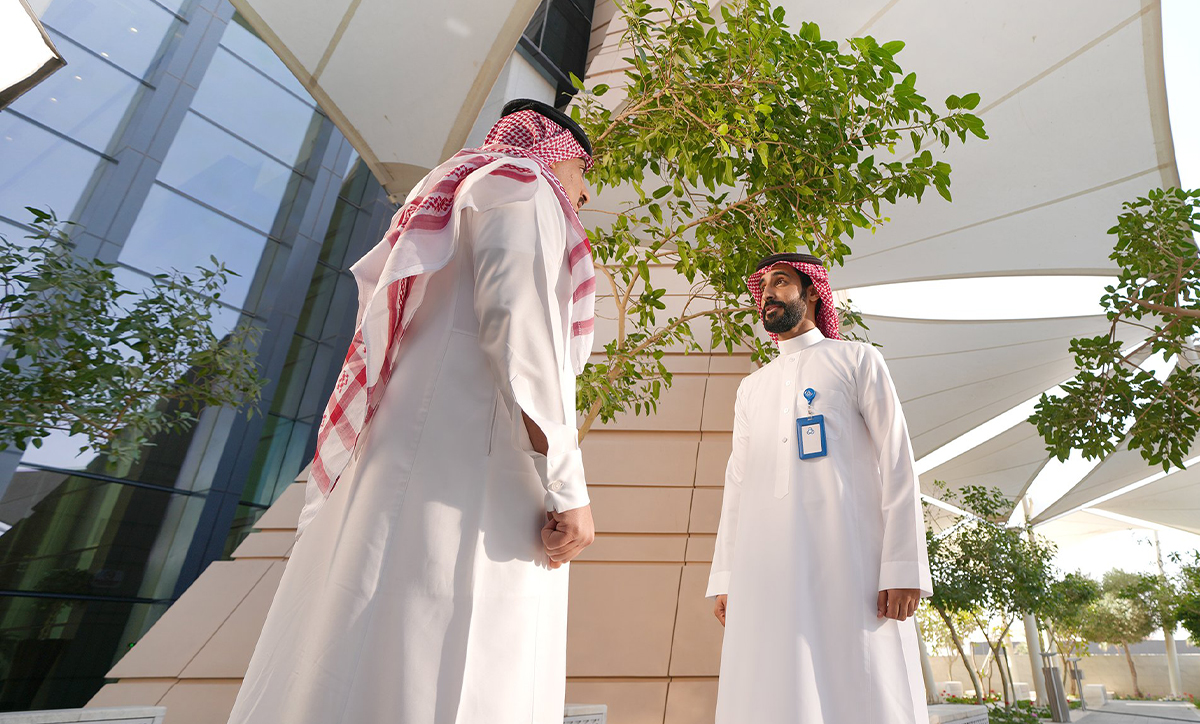
Established in 2022, alrajhi bank’s Sustainable Finance Framework serves as the cornerstone for issuing sustainable sukuks, syndicated loans, and other debt capital market instruments, collectively referred to as sustainable financing instruments.
The Sustainable Financing Instruments will fund Eligible Sustainable Projects that conform to the sustainable finance principles listed below:
- The International Capital Market Association (ICMA) Green Bond Principles (GBPs) 2021, Social Bond Principles (SBPs) 2021 and Sustainability Bond Guidelines (SBGs) 2021; and/or
- The Loan Market Association (LMA) Green Loan Principles (GLPs) 2021 and Social Loan Principles (SLPs) 2021.
In 2023, the bank received third party verification of its Sustainable Finance Framework from S&P Global Ratings.
The bank’s Sustainable Finance Framework has four core focus areas:
1
Use of proceeds: alrajhi bank is committed to allocating funds at least equivalent to the net proceeds from its Sustainable Financing Instruments to support eligible sustainable projects in accordance with the Framework’s criteria. For refinanced projects, a maximum three-year look-back period applies, with full allocation targeted within two years of issuance date.
2
Project evaluation and selection process: The methodology for evaluating and selecting projects guarantees that the funds from any Sustainable Financing Instrument are utilised to finance or refinance eligible sustainable projects.
3
Management of proceeds: Funds raised from alrajhi bank’s Sustainable Financing Instruments are held in the bank’ general funding accounts, earmarked for eligible projects, and tracked via the bank’s Sustainable Finance Register. Any unallocated funds will be invested according to the bank’s standard liquidity policy in cash or cash equivalents.
4
Reporting: Each year, alrajhi bank provides both allocation and impact reports on its eligible projects. These reports are updated annually until all net proceeds from any Sustainable Financing Instrument are fully allocated or until the instrument is no longer active.
Furthermore, to align with industry best practices, the bank intends to hire an external reviewer to assess annually how well the allocation of funds corresponds to the Framework’s established criteria.
To measure the social and environmental impact of its projects, the bank also sought the Carbon Trust’s assistance in conducting an impact assessment on the eligible sustainable finance projects under its Sustainable Finance Framework. The details of the impact assessment and the independent verification report is available on alrajhi bank’s Investor Relations website.